AdSense rejected site fix: step-by-step recovery plan
This AdSense rejected site fix guide gives a practical recovery plan to rebuild trust signals, fix priority issues, and reapply with evidence.
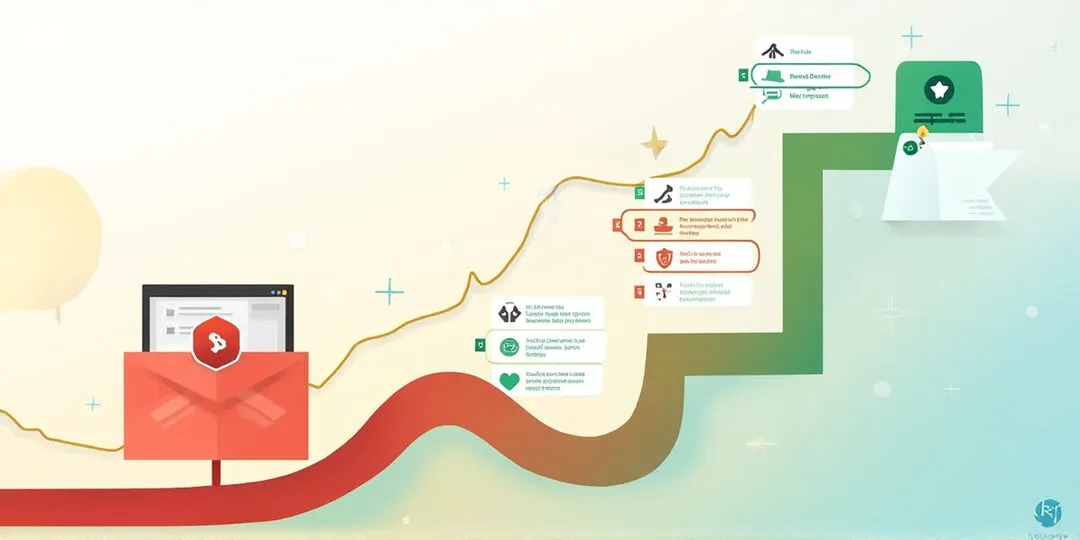
An AdSense rejection creates pressure to change everything at once. Recovery works better when you narrow scope, fix the highest-risk pages first, and collect proof for each change. This guide lays out a step-by-step plan.
Day 1: capture the baseline before editing
- Export your current public URL list from sitemap and internal navigation.
- Take snapshots of trust pages, key tools, and top traffic pages.
- Run readiness audit and record failed or warning signals.
- Group issues by structure, content quality, policy, and traffic quality.
Day 2-3: fix structural trust blockers
- Make about, contact, privacy, and terms easy to find and crawl.
- Clean broken links, redirects, and inaccessible routes.
- Verify robots, sitemap, and canonical consistency for key pages.
Day 4-5: repair low-value and policy-sensitive pages
- Rewrite thin pages with clear intent, examples, and actionable depth.
- Reduce ad placement risk near navigation and primary actions.
- Remove duplicate or overlapping pages that dilute quality signals.
- Add internal links that move users from problem pages to solutions.
Day 6-7: validate and prepare reapplication
- Re-run core pages checker and resolve remaining blockers.
- Re-run readiness audit and compare delta from day 1 baseline.
- Keep a short changelog with URLs touched and why each change improves trust.
- Submit only when your weakest pages meet the same quality bar as your strongest pages.
Treat reapplication as a quality gate, not a retry button. Teams that document fixes and verify each route usually recover faster.
What should you fix first after an AdSense rejection?
Start with trust-page access, broken routes, and your weakest high-traffic pages. Early structure fixes remove review friction before deeper rewrites.
How long should you wait before reapplying?
A short sprint can work if required blockers are cleared and evidence is documented. Reapply only after your weakest pages meet the same quality bar as top pages.
Can traffic cleanup improve reapplication outcomes?
Yes. Removing low-intent or misleading acquisition paths often reduces policy risk signals during review.