
Rejection
Why AdSense keeps rejecting utility sites
Tool pages look identical to automated quality signals. Here is the 4-page fix pattern that moves most utility sites from rejected to approved.
8 min read
Understand what AdSense reviewers look for, fix the gaps that matter, and build a stronger site before you apply.
Tool pages look identical to automated quality signals. Here is the 4-page fix pattern that moves most utility sites from rejected to approved.

ads.txt failures keep sites in ad-serving-disabled longer than most issues. Here is what the file should contain, where it goes, and the 3 common mistakes.

Google policy wording stays broad on purpose. This guide turns common rejection patterns into a concrete checklist for depth, originality, and structure.

How LCP, CLS, and TBT actually relate to AdSense rejection. Core Web Vitals matter, but not in the way most guides claim.

Navigation is one signal the reviewer crawler actually reads. Dangling pages and single-level menus raise low-value risk. Here is the 3-link fix.
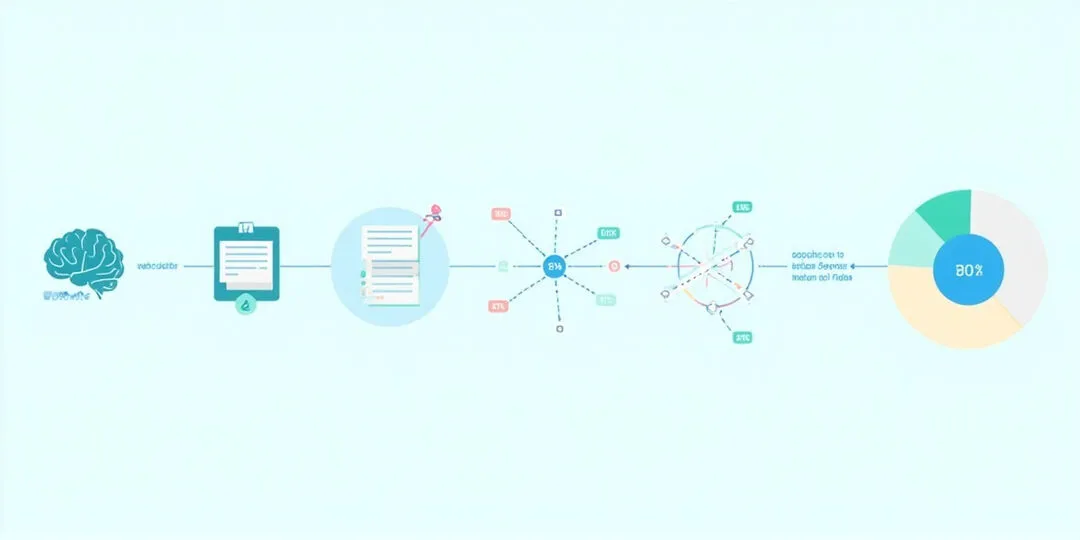
It is not a single signal. Multiple features combine, and two of them are visible in your own prose. A short breakdown of how classification behaves.
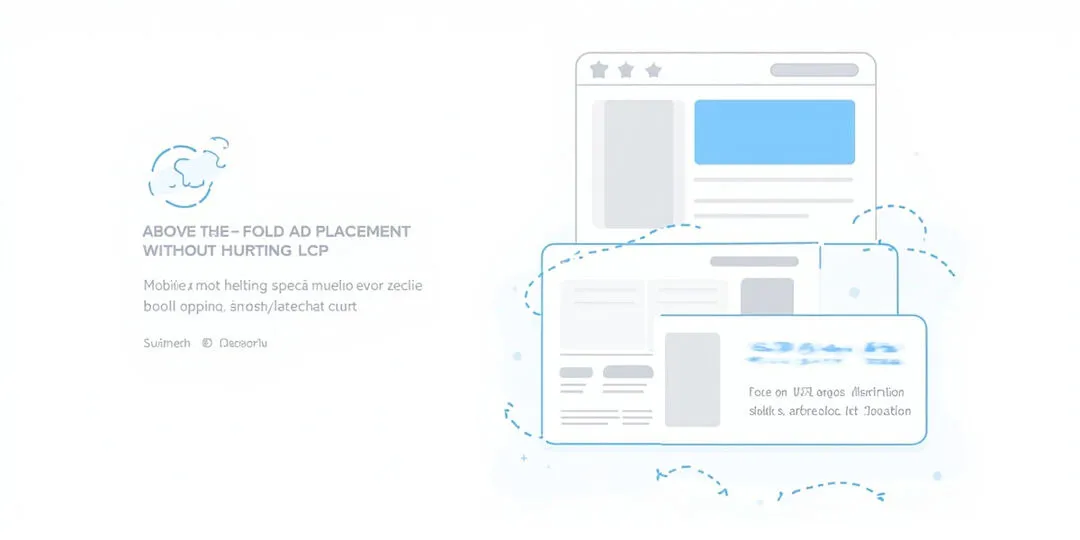
Lazy-loading the ad unit is the easy answer. The better answer is reserving height before the script runs. Here is how layout choice affects LCP.

About, Contact, Privacy Policy, Terms of Service. Three are easy. A real, named contact page is where most rejected sites get flagged.
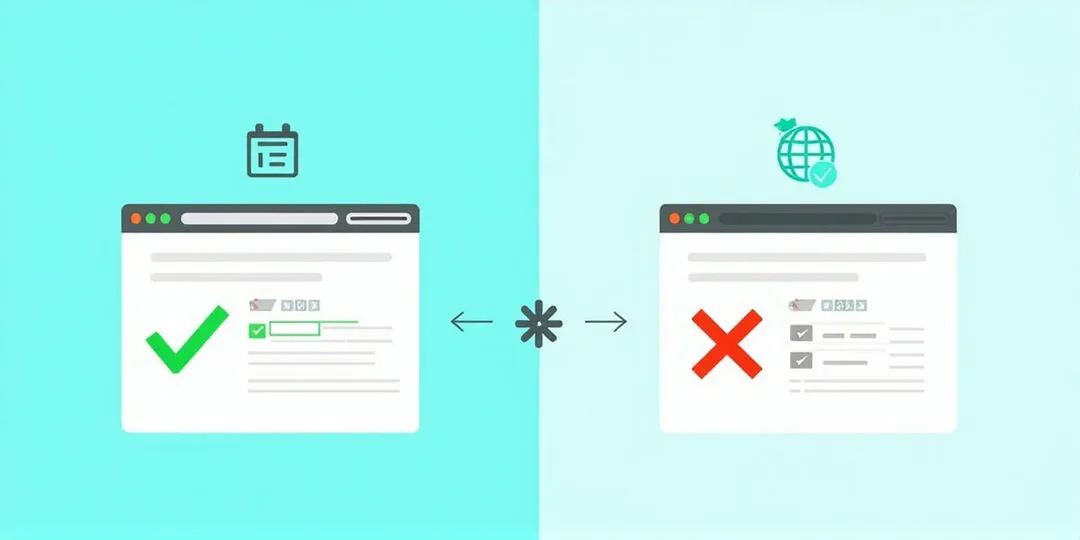
A 30-day-old domain can pass on the first try, and an old domain can still be rejected. Domain age is informational, not a quality gate.
Most WordPress rejections come from repeatable setup mistakes, not theme choice. This playbook gives a pass-first checklist and a remediation path.

Blogger can still pass fast in 2026, but default templates leave visible trust gaps. This guide covers the exact fixes before your next application.
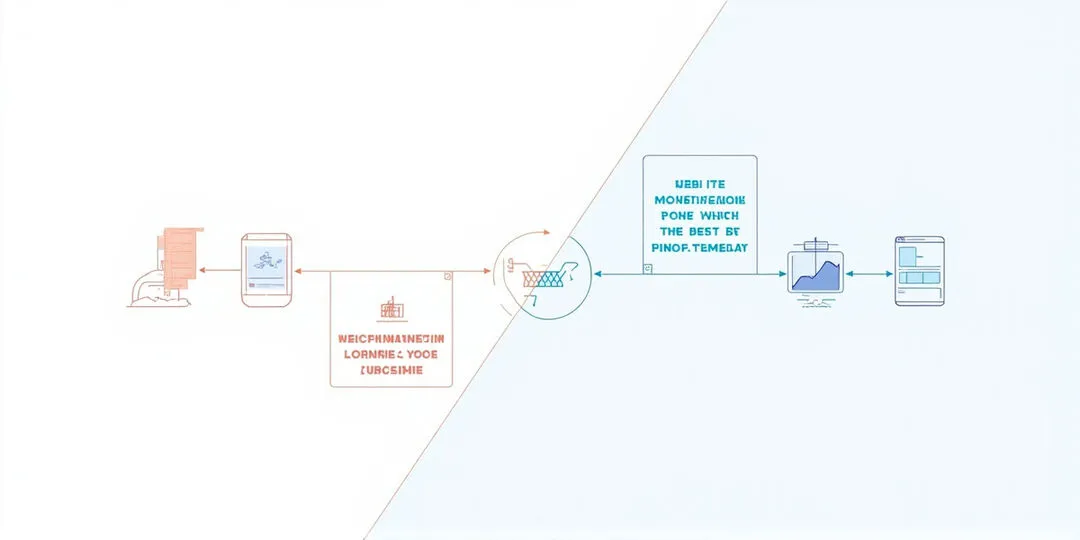
AdSense and AdMob solve different inventory problems. This comparison helps new builders pick the right first monetization path.
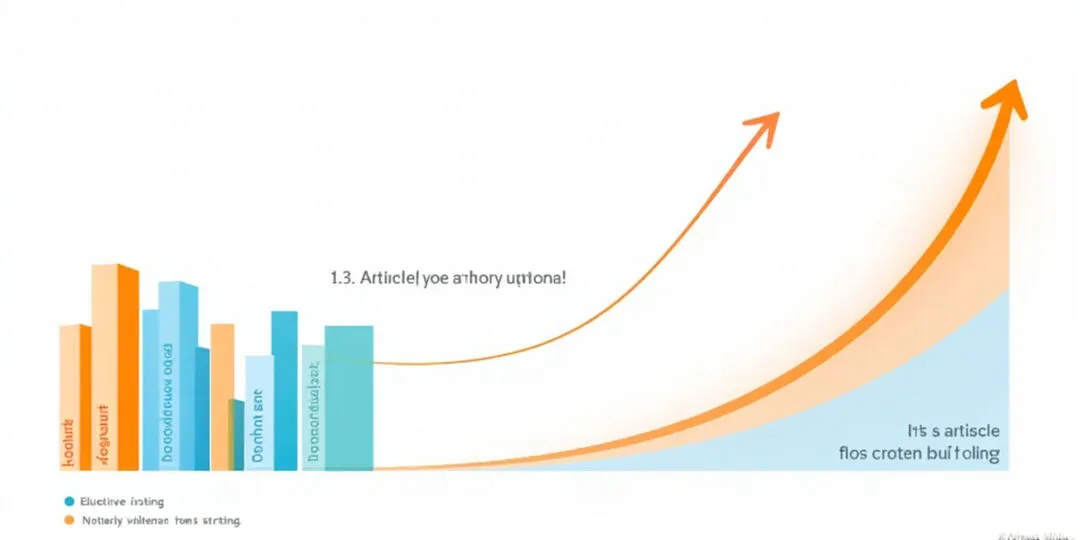
There is no official article-count rule, but review behavior points to a practical range. This guide gives a count framework you can apply.

These three platforms reward different traffic profiles and operational maturity. This guide shows when to stay with AdSense and when to graduate.
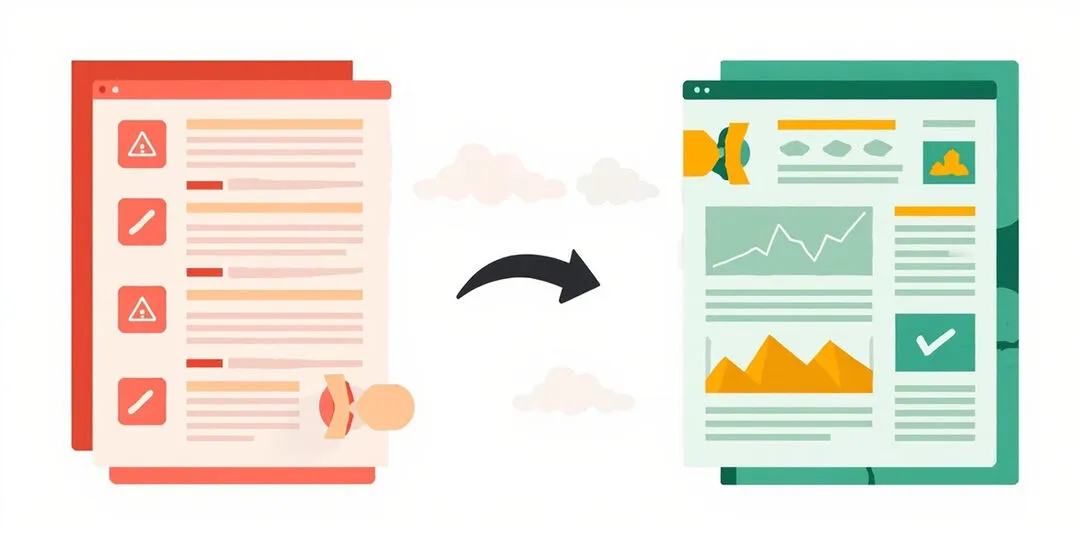
This low value content fix guide turns vague rejection feedback into a concrete page-level checklist you can apply in one week.
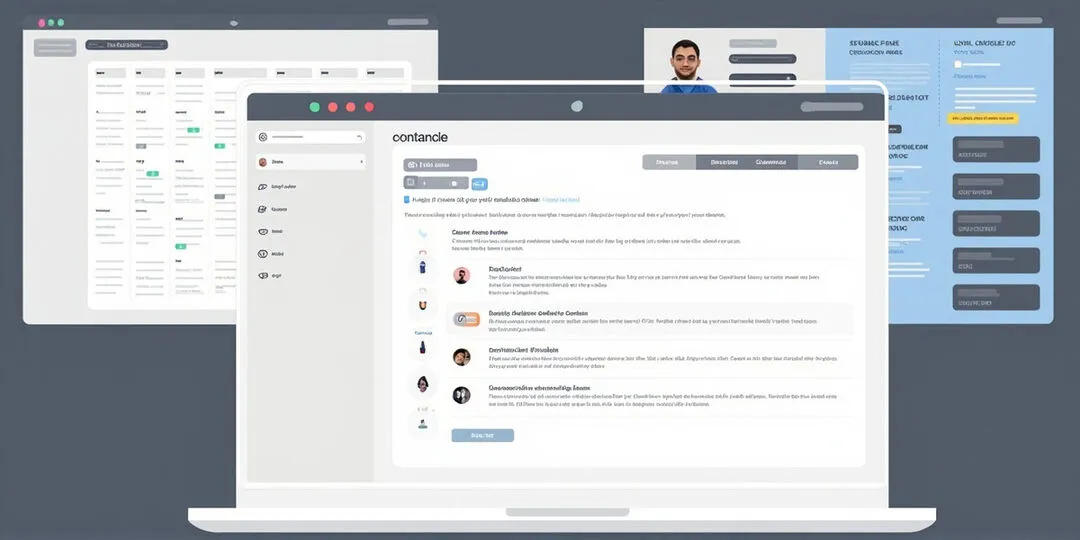
Use this AdSense policy violation checklist to catch high-risk issues across content, ad placement, and traffic quality before review.
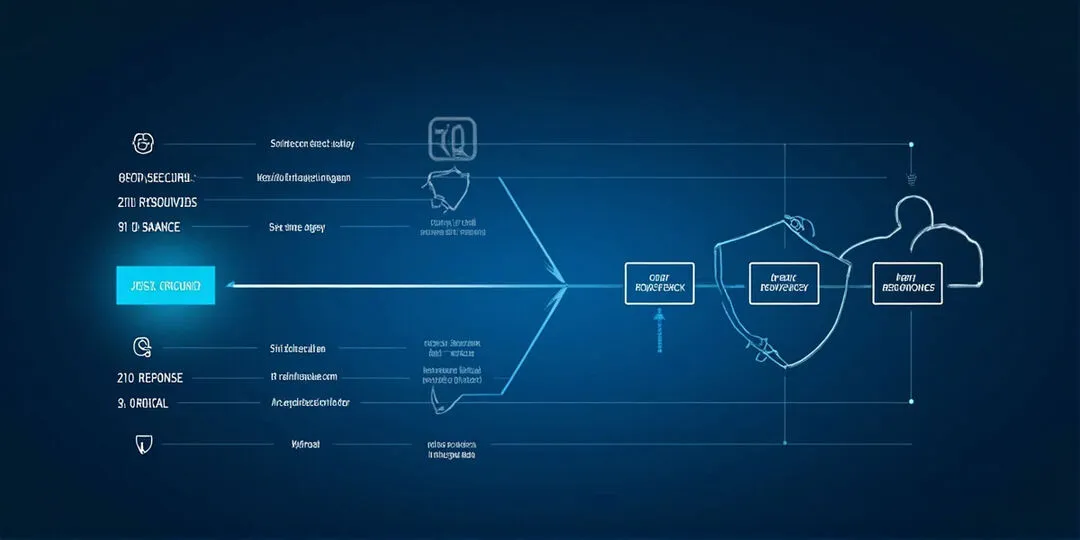
This AdSense security headers guide shows which headers improve trust signals without breaking scripts, rendering, or ad delivery.
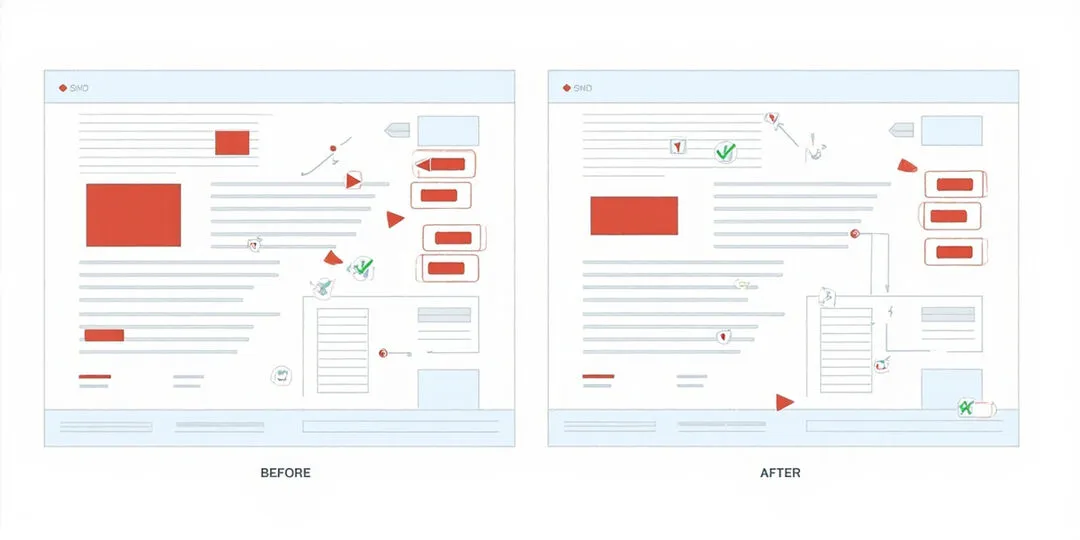
A practical ad placement policy guide for site owners who want to protect UX, avoid invalid-click patterns, and reduce rejection risk.

Understand traffic sources policy risks, detect low-quality acquisition patterns early, and build a safer growth mix for approval readiness.

Use this AdSense robots txt setup guide to avoid crawl blocks, keep key pages indexable, and align sitemap hreflang signals before reapplication.
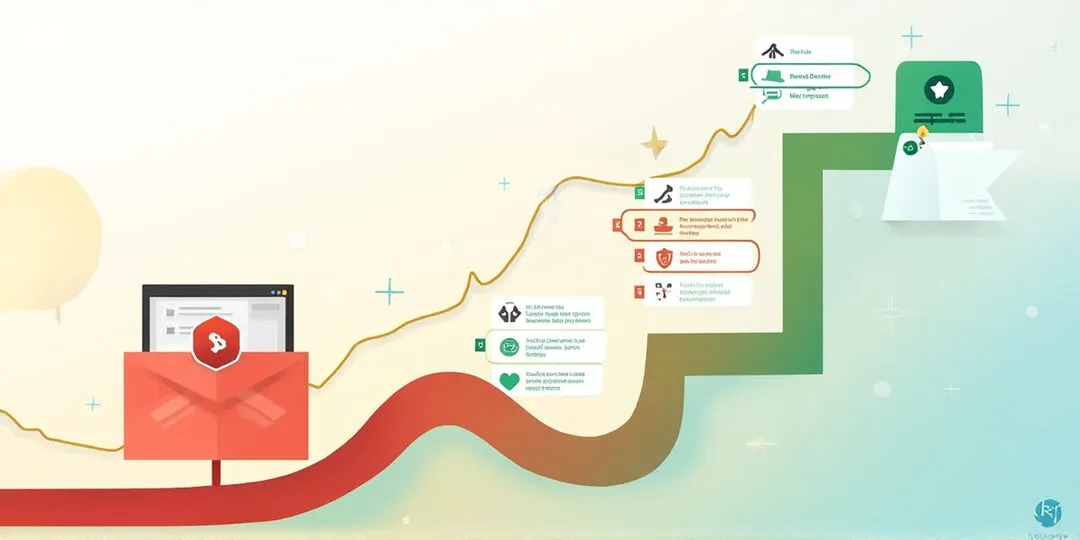
This AdSense rejected site fix guide gives a practical recovery plan to rebuild trust signals, fix priority issues, and reapply with evidence.
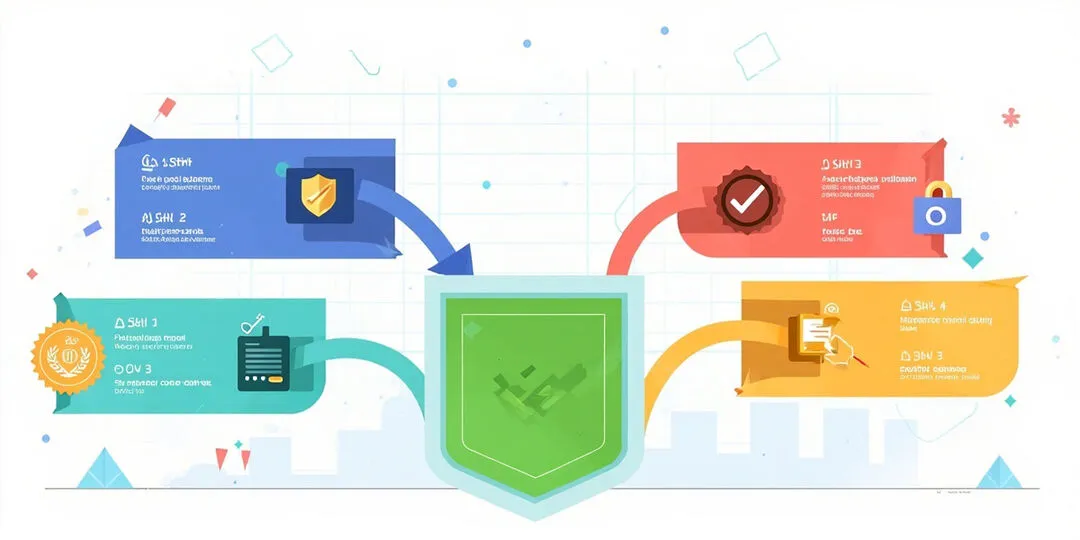
Use this AdSense approval checker style checklist to verify trust pages, policy signals, and technical readiness before you submit.
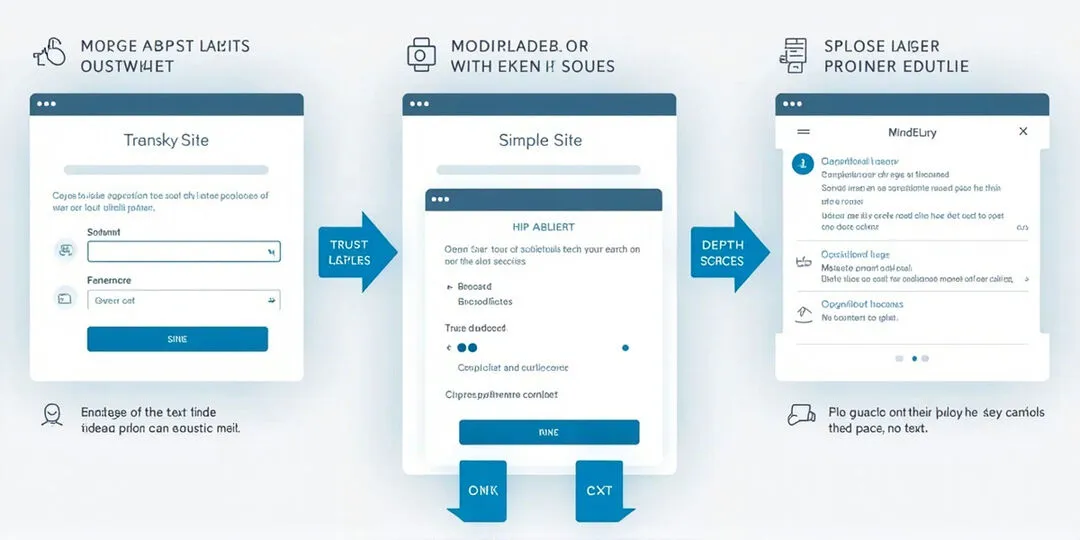
Utility and tool sites often fail AdSense on trust and depth signals. This guide shows three focused fixes for faster reapplication.

This recovery story shows the exact fixes that moved one site from rejection to approval in four days, with a repeatable checklist.
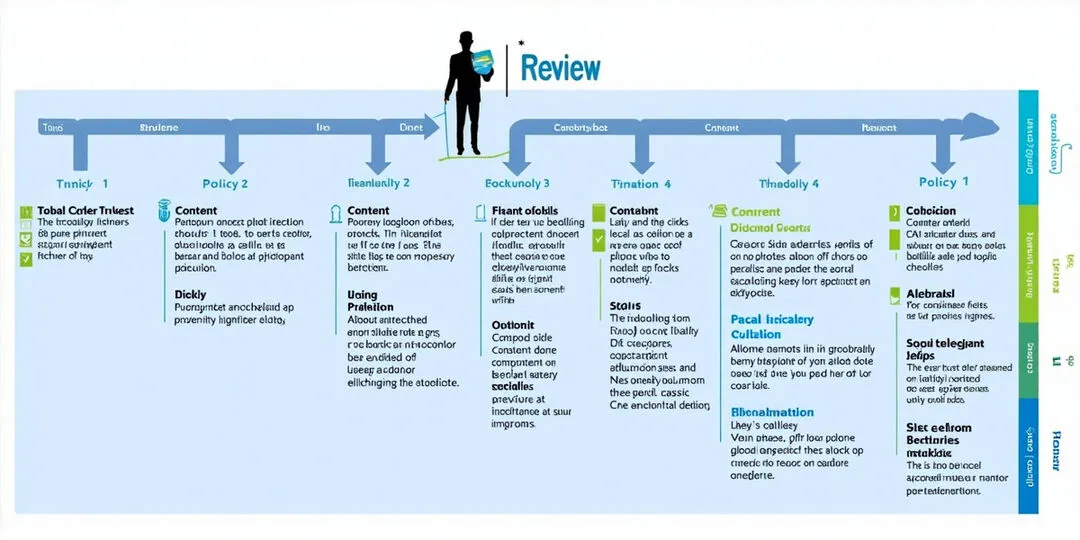
A plain-language guide to what AdSense reviewers check in 2026, in what order, and what to fix before you reapply.
Long review windows usually point to unclear site signals. Here are the diagnostics that shorten the wait and reduce silent failures.

Your About page is a trust signal, not filler. Here is the structure that answers who runs the site, why it exists, and how content is produced.
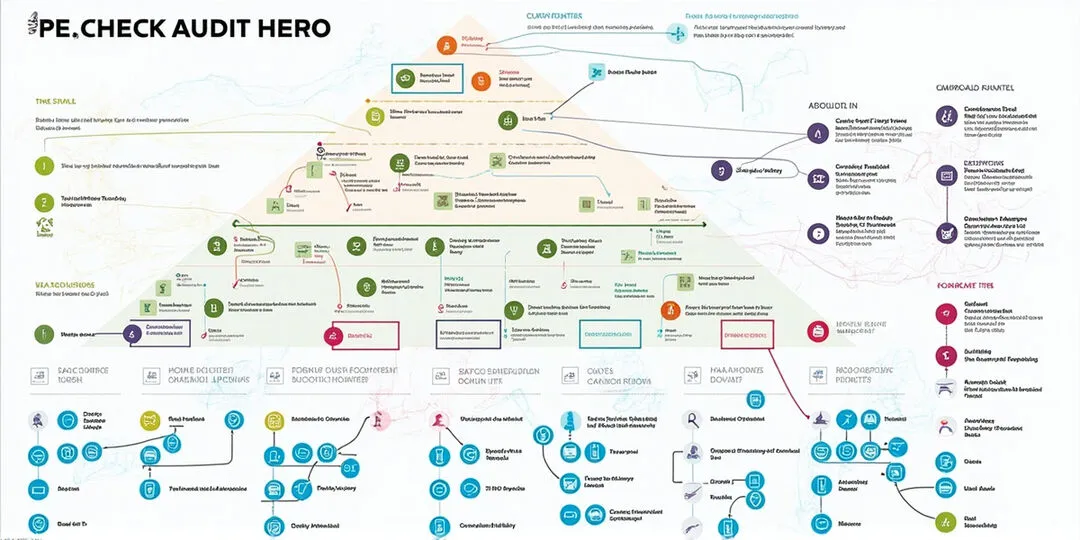
The AdSenseReady catalog runs 41 checks across three tiers. These are the categories owners most often overlook when self-reviewing.

If you cannot fix everything this week, start with the 10 checks that drive most rejections and review delays.
Tool pages look identical to automated quality signals. Here is the 4-page fix pattern that moves most utility sites from rejected to approved.
Google policy wording stays broad on purpose. This guide turns common rejection patterns into a concrete checklist for depth, originality, and structure.
Navigation is one signal the reviewer crawler actually reads. Dangling pages and single-level menus raise low-value risk. Here is the 3-link fix.
Lazy-loading the ad unit is the easy answer. The better answer is reserving height before the script runs. Here is how layout choice affects LCP.
A 30-day-old domain can pass on the first try, and an old domain can still be rejected. Domain age is informational, not a quality gate.
Blogger can still pass fast in 2026, but default templates leave visible trust gaps. This guide covers the exact fixes before your next application.
There is no official article-count rule, but review behavior points to a practical range. This guide gives a count framework you can apply.
This low value content fix guide turns vague rejection feedback into a concrete page-level checklist you can apply in one week.
This AdSense security headers guide shows which headers improve trust signals without breaking scripts, rendering, or ad delivery.
Understand traffic sources policy risks, detect low-quality acquisition patterns early, and build a safer growth mix for approval readiness.
This AdSense rejected site fix guide gives a practical recovery plan to rebuild trust signals, fix priority issues, and reapply with evidence.
Utility and tool sites often fail AdSense on trust and depth signals. This guide shows three focused fixes for faster reapplication.
A plain-language guide to what AdSense reviewers check in 2026, in what order, and what to fix before you reapply.
Your About page is a trust signal, not filler. Here is the structure that answers who runs the site, why it exists, and how content is produced.
If you cannot fix everything this week, start with the 10 checks that drive most rejections and review delays.
ads.txt failures keep sites in ad-serving-disabled longer than most issues. Here is what the file should contain, where it goes, and the 3 common mistakes.
How LCP, CLS, and TBT actually relate to AdSense rejection. Core Web Vitals matter, but not in the way most guides claim.
It is not a single signal. Multiple features combine, and two of them are visible in your own prose. A short breakdown of how classification behaves.
About, Contact, Privacy Policy, Terms of Service. Three are easy. A real, named contact page is where most rejected sites get flagged.
Most WordPress rejections come from repeatable setup mistakes, not theme choice. This playbook gives a pass-first checklist and a remediation path.
AdSense and AdMob solve different inventory problems. This comparison helps new builders pick the right first monetization path.
These three platforms reward different traffic profiles and operational maturity. This guide shows when to stay with AdSense and when to graduate.
Use this AdSense policy violation checklist to catch high-risk issues across content, ad placement, and traffic quality before review.
A practical ad placement policy guide for site owners who want to protect UX, avoid invalid-click patterns, and reduce rejection risk.
Use this AdSense robots txt setup guide to avoid crawl blocks, keep key pages indexable, and align sitemap hreflang signals before reapplication.
Use this AdSense approval checker style checklist to verify trust pages, policy signals, and technical readiness before you submit.
This recovery story shows the exact fixes that moved one site from rejection to approval in four days, with a repeatable checklist.
Long review windows usually point to unclear site signals. Here are the diagnostics that shorten the wait and reduce silent failures.
The AdSenseReady catalog runs 41 checks across three tiers. These are the categories owners most often overlook when self-reviewing.
Tool pages look identical to automated quality signals. Here is the 4-page fix pattern that moves most utility sites from rejected to approved.
How LCP, CLS, and TBT actually relate to AdSense rejection. Core Web Vitals matter, but not in the way most guides claim.
Lazy-loading the ad unit is the easy answer. The better answer is reserving height before the script runs. Here is how layout choice affects LCP.
Most WordPress rejections come from repeatable setup mistakes, not theme choice. This playbook gives a pass-first checklist and a remediation path.
There is no official article-count rule, but review behavior points to a practical range. This guide gives a count framework you can apply.
Use this AdSense policy violation checklist to catch high-risk issues across content, ad placement, and traffic quality before review.
Understand traffic sources policy risks, detect low-quality acquisition patterns early, and build a safer growth mix for approval readiness.
Use this AdSense approval checker style checklist to verify trust pages, policy signals, and technical readiness before you submit.
A plain-language guide to what AdSense reviewers check in 2026, in what order, and what to fix before you reapply.
The AdSenseReady catalog runs 41 checks across three tiers. These are the categories owners most often overlook when self-reviewing.
ads.txt failures keep sites in ad-serving-disabled longer than most issues. Here is what the file should contain, where it goes, and the 3 common mistakes.
Navigation is one signal the reviewer crawler actually reads. Dangling pages and single-level menus raise low-value risk. Here is the 3-link fix.
About, Contact, Privacy Policy, Terms of Service. Three are easy. A real, named contact page is where most rejected sites get flagged.
Blogger can still pass fast in 2026, but default templates leave visible trust gaps. This guide covers the exact fixes before your next application.
These three platforms reward different traffic profiles and operational maturity. This guide shows when to stay with AdSense and when to graduate.
This AdSense security headers guide shows which headers improve trust signals without breaking scripts, rendering, or ad delivery.
Use this AdSense robots txt setup guide to avoid crawl blocks, keep key pages indexable, and align sitemap hreflang signals before reapplication.
Utility and tool sites often fail AdSense on trust and depth signals. This guide shows three focused fixes for faster reapplication.
Long review windows usually point to unclear site signals. Here are the diagnostics that shorten the wait and reduce silent failures.
If you cannot fix everything this week, start with the 10 checks that drive most rejections and review delays.
Google policy wording stays broad on purpose. This guide turns common rejection patterns into a concrete checklist for depth, originality, and structure.
It is not a single signal. Multiple features combine, and two of them are visible in your own prose. A short breakdown of how classification behaves.
A 30-day-old domain can pass on the first try, and an old domain can still be rejected. Domain age is informational, not a quality gate.
AdSense and AdMob solve different inventory problems. This comparison helps new builders pick the right first monetization path.
This low value content fix guide turns vague rejection feedback into a concrete page-level checklist you can apply in one week.
A practical ad placement policy guide for site owners who want to protect UX, avoid invalid-click patterns, and reduce rejection risk.
This AdSense rejected site fix guide gives a practical recovery plan to rebuild trust signals, fix priority issues, and reapply with evidence.
This recovery story shows the exact fixes that moved one site from rejection to approval in four days, with a repeatable checklist.
Your About page is a trust signal, not filler. Here is the structure that answers who runs the site, why it exists, and how content is produced.