AdSense robots.txt setup and indexing guide
Use this AdSense robots txt setup guide to avoid crawl blocks, keep key pages indexable, and align sitemap hreflang signals before reapplication.
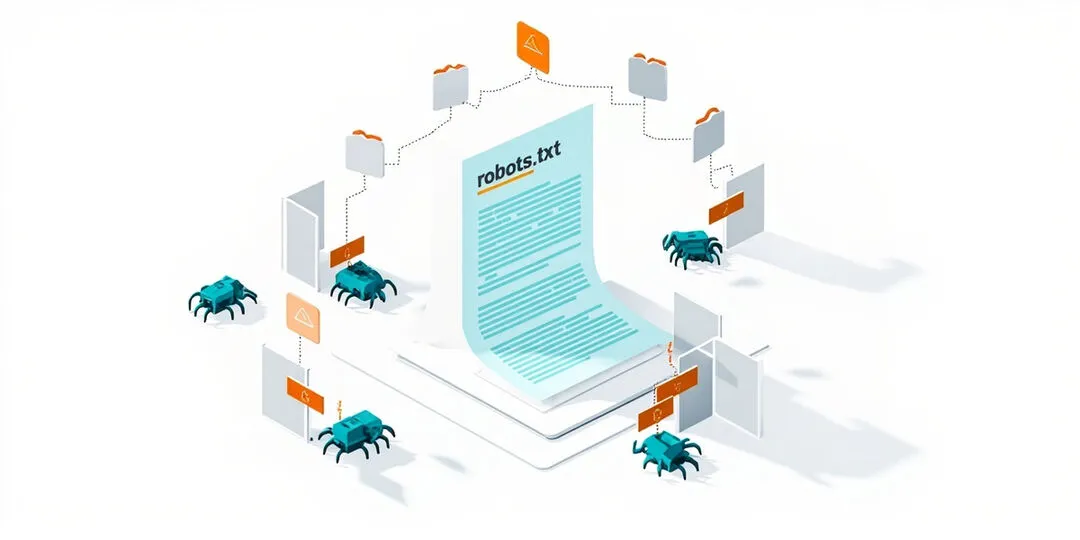
AdSense robots txt setup affects how reviewers and crawlers reach your pages. If robots rules block trust pages, tool pages, or language variants, approval risk climbs. This guide shows how to keep indexing signals clear.
Core robots.txt rules for approval readiness
- Allow crawling for homepage, key tools, and trust pages.
- Block private paths such as account and callback routes.
- Reference your sitemap in robots.txt with an absolute URL.
- Avoid broad disallow patterns that hide useful content.
How sitemap and hreflang support robots setup
Your sitemap tells crawlers which URLs matter. hreflang tells them which locale variant matches each audience. Keep both aligned with robots.txt so public pages stay discoverable in every language.
Common indexing mistakes to fix first
- Blocking /blog or /tools by accident.
- Submitting sitemap URLs that return redirects or 404.
- Forgetting locale variants in sitemap and alternates metadata.
- Keeping old disallow directives after route refactors.
Verification sequence before reapplying
- Fetch robots.txt from production and confirm expected allow and disallow rules.
- Open sitemap and verify each listed URL returns 200 and indexable content.
- Validate locale pages with hreflang and canonical consistency.
- Run core pages checker and readiness audit for final confirmation.
Treat robots, sitemap, and hreflang as one indexing system. Small mismatches create large crawl blind spots.
Can robots.txt mistakes cause AdSense rejection?
Yes. Blocking trust pages or key content paths can prevent reviewers from seeing the signals they need.
Should every URL be listed in sitemap?
No. Keep sitemap focused on canonical, public, indexable pages that represent your intended experience.
What should be checked before submission?
Verify robots rules, sitemap freshness, and locale canonical consistency, then run final audit checks.