AdSense vs AdMob: which one fits a new publisher in 2026?
AdSense and AdMob solve different inventory problems. This comparison helps new builders pick the right first monetization path.
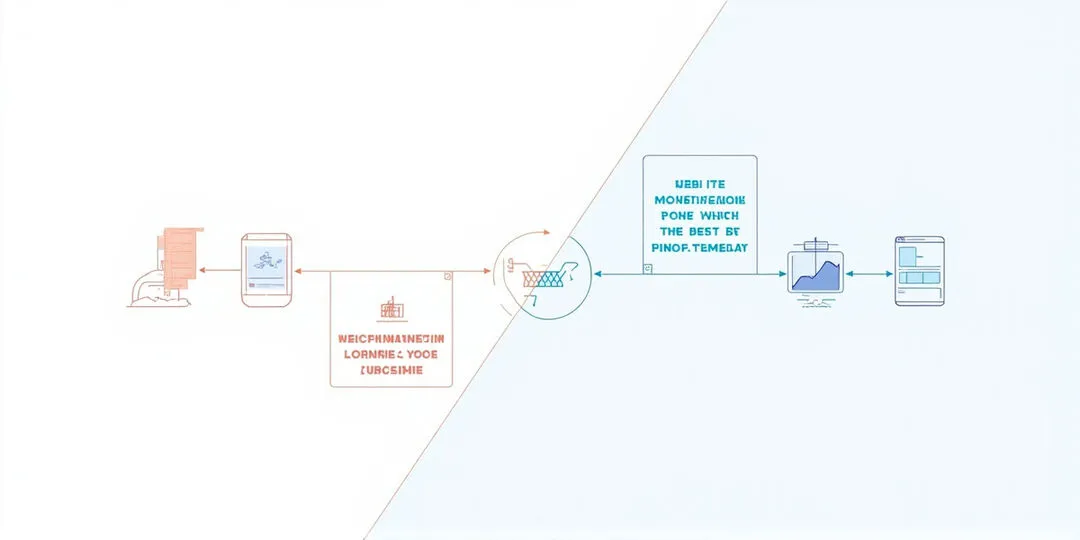
New creators often compare AdSense and AdMob as if they were substitutes. They are not direct substitutes. AdSense is web inventory. AdMob is app inventory. Choosing wrong creates avoidable rejection loops.
Quick decision rule
- Website with search traffic first: start with AdSense.
- Mobile app with in-app sessions first: start with AdMob.
- Both channels active: run both, but separate implementation and policy review paths.
Where teams fail
- Treating web landing pages as app extensions with no editorial depth.
- Copying ad density assumptions from apps to web templates.
- Ignoring policy differences around navigation clarity and content intent on web pages.
If you are web-first
Focus on web trust stack first: required pages, internal link graph, and crawlable content. Run pre-application audit and close critical issues before submitting.
For teams comparing setup effort, the fastest route in most cases is AdSense with a controlled page set and clear remediation loop from utility-site rejection guide.
In mixed web-plus-app teams, approval delays often came from sending thin web landing pages for AdSense while engineering focus stayed in the app. Separating web and app readiness tracks reduced rework and sped up first approval decisions.
References
- Google AdSense Help — Eligibility requirements(2026-08-28)
- Google AdMob Help — Get started(2026-08-28)
- Google Search Central — Helpful content guidance(2026-08-28)