Google AdSense review process in 2026 for site owners
A plain-language guide to what AdSense reviewers check in 2026, in what order, and what to fix before you reapply.
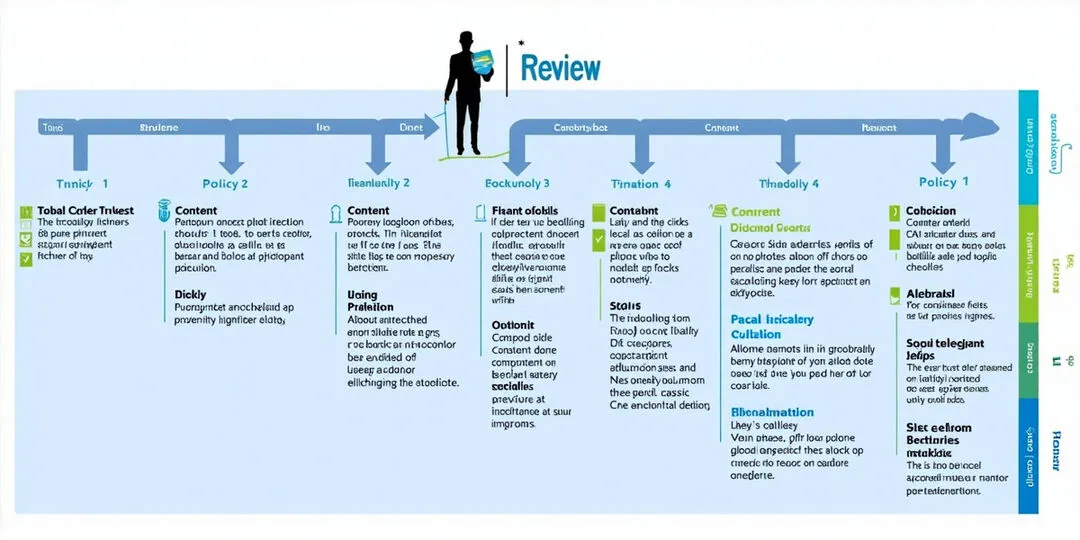
Site owners often ask what reviewers actually evaluate. In 2026, approvals still hinge on trust pages, policy-safe layouts, useful content depth, and crawlable technical basics.
What reviewers check first
- Identity and trust signals: clear about, contact, privacy, and terms pages.
- Navigation clarity: policy pages and core content must be easy to reach.
- Policy risk hotspots: ad placement near actions, misleading labels, or thin utility templates.
What reviewers check next
- Content quality by URL, not only by total article count.
- Original value: examples, explanations, and intent-focused structure.
- Technical readiness: indexability, robots rules, and metadata consistency.
Pre-submit workflow that reduces rejection risk
- Validate trust pages with core pages checker.
- Run readiness audit and clear required failures first.
- Document URL-level fixes before you submit the next application.
Treat review as evidence-based quality control, not a mystery. If you want guided prioritization after each scan, compare pricing options.
Do reviewers require a specific number of pages?
No fixed public page count exists. Review outcomes depend more on page usefulness, trust completeness, and policy-safe implementation.
Do they review each URL or only homepage quality?
They assess site-wide quality signals and also inspect representative URLs. Weak sections can affect the full application result.
How should non-technical owners prepare?
Use a checklist flow: trust pages, content depth, ad placement safety, and technical crawl signals. Record changes so reapplication stays consistent.